
– Aparna Dev
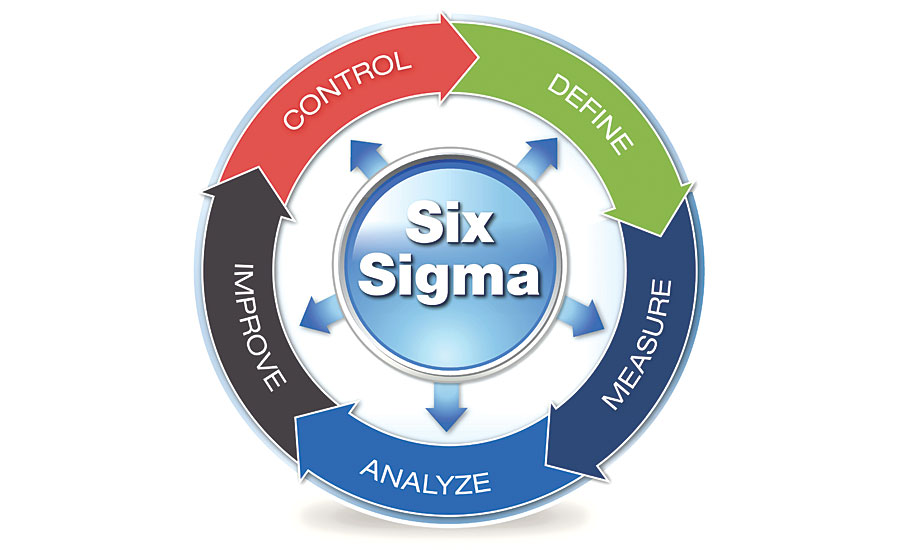
Six sigma is not a mere methodology or a quality tool. It is a philosophy i.e a systematic way of thinking to solve quality problems. Sigma or standard deviation is a statistical measure of dispersion in data. It is a measure which uses the characteristics of past data to make judgements about how the process will perform in the future. Statistically, six sigma refers to a process in which the range between the mean of a process quality measurement and the nearest specification limit is atleast six times the standard deviation of the process. The statistical objectives of six sigma are to centre the process on the target and reduce process variation.
However, despite the immense popularity and the wide – spread adoption of six sigma, there is an increasing concern across industries regarding the failure of six sigma programs. One reason – many six sigma programs fail is because an implementation model detailing the sequence of six sigma elements/activities is not available. The existing literature identifies many elements of six sigma which does enhance our understanding of six sigma programs. However, the success of six sigma programs hinges on the sequence of many six sigma elements/activities or a model of implementation.
BENEFITS OF IMPLEMENTING SIX SIGMAS
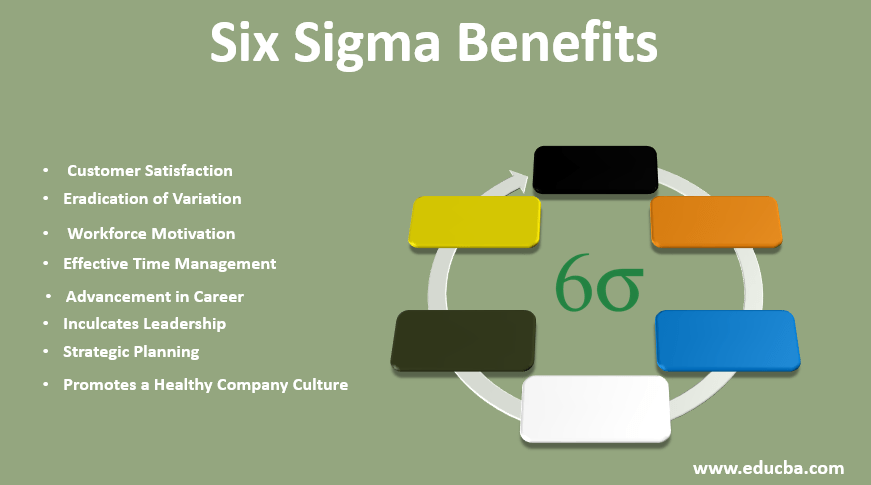
Quality management has developed into a mature field with sound definitional and conceptual foundations but new quality management methods continue to grow. For example, six sigma which is organised and systematic method for strategic process improvement and new product and service development that relies on statistical method and scientific method to make dramatic reductions in customer defined defect rates, which generates intense interest in industries. Since it’s initiation at Motorola in the 1980s, many companies including Honeywell, Sony and Johnson controls adopted 6 sigmas and obtained substantial benefits. Moreover, six sigma integrates business level performance, process measures and project metrics into a systematic review process so that the managers can manage the organisation quantitatively and translate the business strategy into tactical tasks.
LIMITATIONS OF IMPLEMENTING SIX SIGMA

The main hurdles in successful implementation of six sigma are : 1. Organisations own management and employes 2. Active supplier participation and 3. Active customer participation. Six sigma is criticised as offering nothing new and simply repacking traditional quality management practices. It is argued that the large returns from six sigma at some companies were due to the initial quality level of these company being so low that anything would have drastically improved their quality. Although there have been numerous case studies, comprehensive discussions, books and website addressing six sigma very little scholarly research has been done on six sigma and quality management theory and application
The six sigma structured improvement is expected to support product/service design and process management. Both product/service design and process management practices involve using different managerial and technical tools and their effectiveness is dependent on how well teams actually use these tools. Also, from the entire study, we can easily conclude that : (¡) Quality information is positively related to supplier relationship. (¡¡) Quality information is positively related to products/service design (¡¡¡) Quality information is positively related to process management.
Conclusion
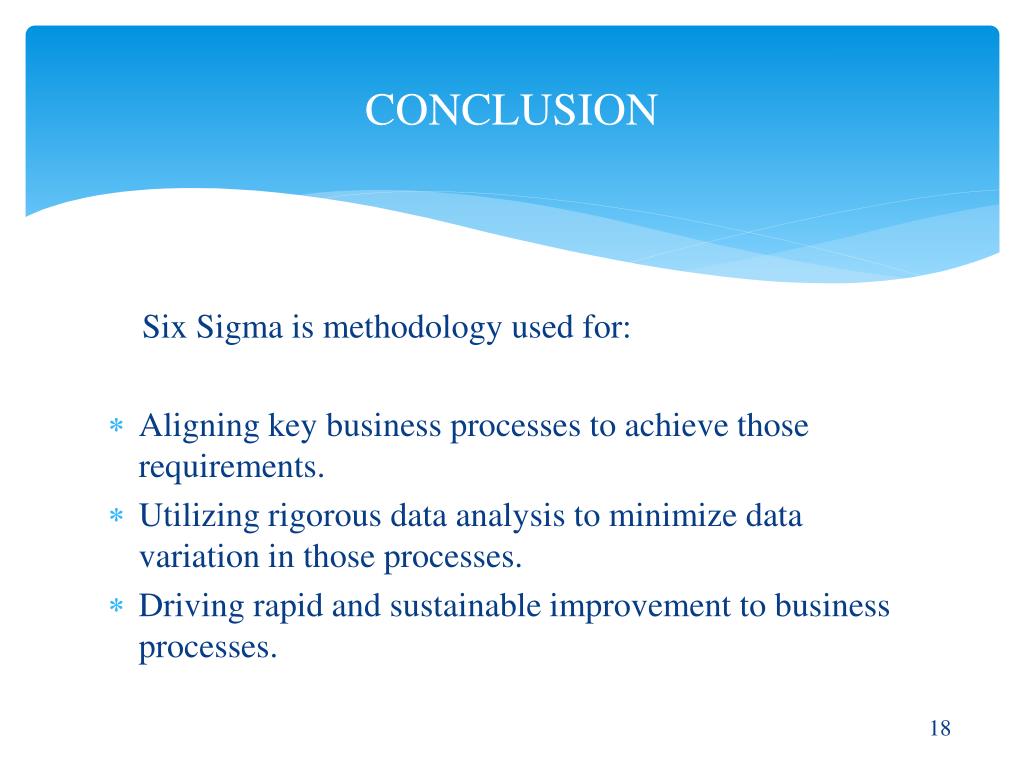
Academics need to better understand six sigma so that they do not overhype it or too quickly dismiss it as nothing new. The implementation of quality management in an organization requires two types of decisions – what to do and how to do it. Further research exploring how these six sigma practices are adopted in different organisational contexts is needed, since different organizations have different maturity levels of quality management implementation and the strengths and weakness of their existing Quality management systems vary.
Six sigma is an effective approach to a broad based quality control program. It is far more than the traditional approach, in which internal teams are created to reduce production defects, solve problems within one department and address problems in isolation. Six sigma is more than a quality control program with another name; it is a quality-based system for reorganizing the entire approach to work in every aspect : productivity, communication, involvement at every level and external service.



 aparna.tech.blog